Can You Swim in the Brisbane River? A Guide to Safety, Swimming Spots, and Local Regulations
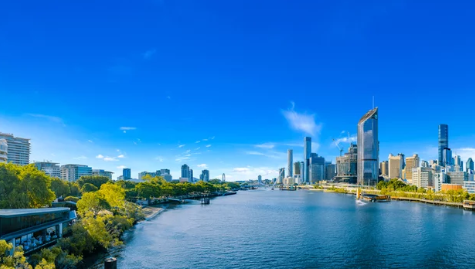
The Brisbane River has long been a central feature of Brisbane’s landscape, weaving through the heart of the city. From picturesque views to river cruises, it’s no surprise that many locals and tourists alike wonder, “Can you swim in the Brisbane River?”
Swimming in the river, however, is not as straightforward as it might seem. While the river offers plenty of opportunities for water-based activities, it also comes with risks and regulations. So, before you dive in, let’s explore everything you need to know about swimming in the Brisbane River—safety concerns, rules, and the best spots to take a dip.
Is Swimming in the Brisbane River Safe?
The safety of swimming in the Brisbane River largely depends on where you are and when you choose to swim. In general, the river is not designated as a swimming-friendly environment, and the risks can vary:
- Water Quality Concerns
The Brisbane River, like many urban rivers, is subject to pollution. While the city has made significant efforts to improve water quality, occasional stormwater runoff, industrial waste, and other pollutants can impact the river’s cleanliness. The water quality can fluctuate after rainfall, so it’s always a good idea to check local water quality reports or consult Brisbane City Council before swimming. - Currents and Tides
The Brisbane River is tidal, and strong currents can make swimming difficult or dangerous, especially near the mouth of the river where it meets Moreton Bay. In the city’s central areas, the water may seem calm, but tides and rapid changes in water levels can pose a risk for swimmers who are not prepared for these shifts. - Debris and Underwater Hazards
The river is known for having debris like logs, rocks, and even sunken objects. In some areas, sharp objects may pose a threat to swimmers. Always be mindful of your surroundings and avoid areas where the river is known to be particularly rough or cluttered with debris. - Marine Life
Though the Brisbane River is not home to many dangerous marine creatures, the occasional sighting of jellyfish, particularly near the river mouth, can present a hazard. The waters are also inhabited by crocodiles and sharks in the bay areas, though encounters are rare. It’s advisable to check local warnings and alerts about wildlife in the region.
Where Can You Swim in the Brisbane River?
While swimming in the Brisbane River itself may not be the most popular activity, there are a few designated areas where locals and tourists feel comfortable enjoying the water:
- South Bank Parklands
South Bank is one of the most famous spots in Brisbane, offering a mix of green spaces, cultural attractions, and an artificial lagoon known as the Streets Beach. While the actual river is off-limits for swimming, the lagoon provides a safe alternative. The water is regularly treated and maintained, making it a popular spot for families and swimmers. - Kangaroo Point Cliffs
Kangaroo Point offers some of the best views of the city, but it’s also a popular spot for rock climbing, picnics, and swimming. However, while the river runs right past the cliffs, swimming in the river itself here is not recommended. If you do decide to take a swim, make sure to do so near designated swimming areas where currents and tides are manageable. - Colmslie Beach Park
Colmslie Beach Park is another area along the Brisbane River that features a shallow, controlled swimming space. It’s a popular spot for families with children, as the area is relatively safe and not prone to strong currents. - New Farm Park
New Farm Park is a great location for a picnic, but like other areas, the river itself isn’t typically a recommended swimming spot. However, New Farm is close to The Brisbane Riverwalk, a path along the river that offers fantastic views. You can enjoy the sight of the river, but be cautious about getting in.
Swimming Regulations and Laws in the Brisbane River
It’s important to understand that the Brisbane River is not a designated swimming zone, and swimming in some parts of the river may even be illegal. Certain areas have restricted access due to potential safety hazards such as boat traffic or strong currents. Additionally, the Brisbane City Council has regulations in place for public safety.
To ensure your swim is both enjoyable and legal:
- Avoid Swimming Near Boat Traffic: The Brisbane River is a busy waterway with many boats, ferries, and barges moving up and down the river. These vessels travel at varying speeds, and swimmers should avoid getting too close to them.
- Adhere to Local Warnings: If you are determined to swim in the river, make sure to stay updated on the latest water quality and safety warnings. Check for any local signs that indicate whether swimming is permitted in that area.
- Supervised Areas: Always opt for areas where lifeguards are present, or where swimming is known to be supervised by local authorities. Unsupervised swimming in the river, especially near industrial or commercial zones, can be risky.
Alternatives to Swimming in the River
If you’re not convinced about swimming in the Brisbane River, there are plenty of other ways to enjoy the water in and around Brisbane:
- Man-Made Lagoons: Brisbane has a variety of public swimming lagoons, such as The Lagoon at South Bank, that are perfect for a safe, refreshing swim.
- Brisbane’s Beaches: Head to the coast to visit more traditional beaches like Redcliffe or Wynnum, where the water is cleaner, the currents are more manageable, and there are fewer risks compared to river swimming.
- Kayaking or Paddleboarding: For water enthusiasts, the Brisbane River is a fantastic place for kayaking, stand-up paddleboarding, and other water sports. These activities provide an exciting way to enjoy the river without swimming.
Final Thoughts
So, can you swim in the Brisbane River? Technically, yes, but it’s not always recommended due to the water quality, currents, debris, and other safety concerns. Instead of diving directly into the river, consider using one of the safer alternatives like public swimming lagoons or coastal beaches. If you choose to swim in the river, be sure to follow local guidelines, avoid hazardous areas, and remain cautious of the river’s unpredictable conditions.